In agricultural heartlands across Nigeria, the hum of rice mills signals abundance, but it also leaves behind mounds of unused rice husks. Today, that narrative is shifting dramatically into one of environmental sustainability and economic value, driven by the ingenuity of the Scientific Equipment Development Institute (SEDI) Enugu, an institute under the National Agency for Science and Engineering Infrastructure (NASENI).
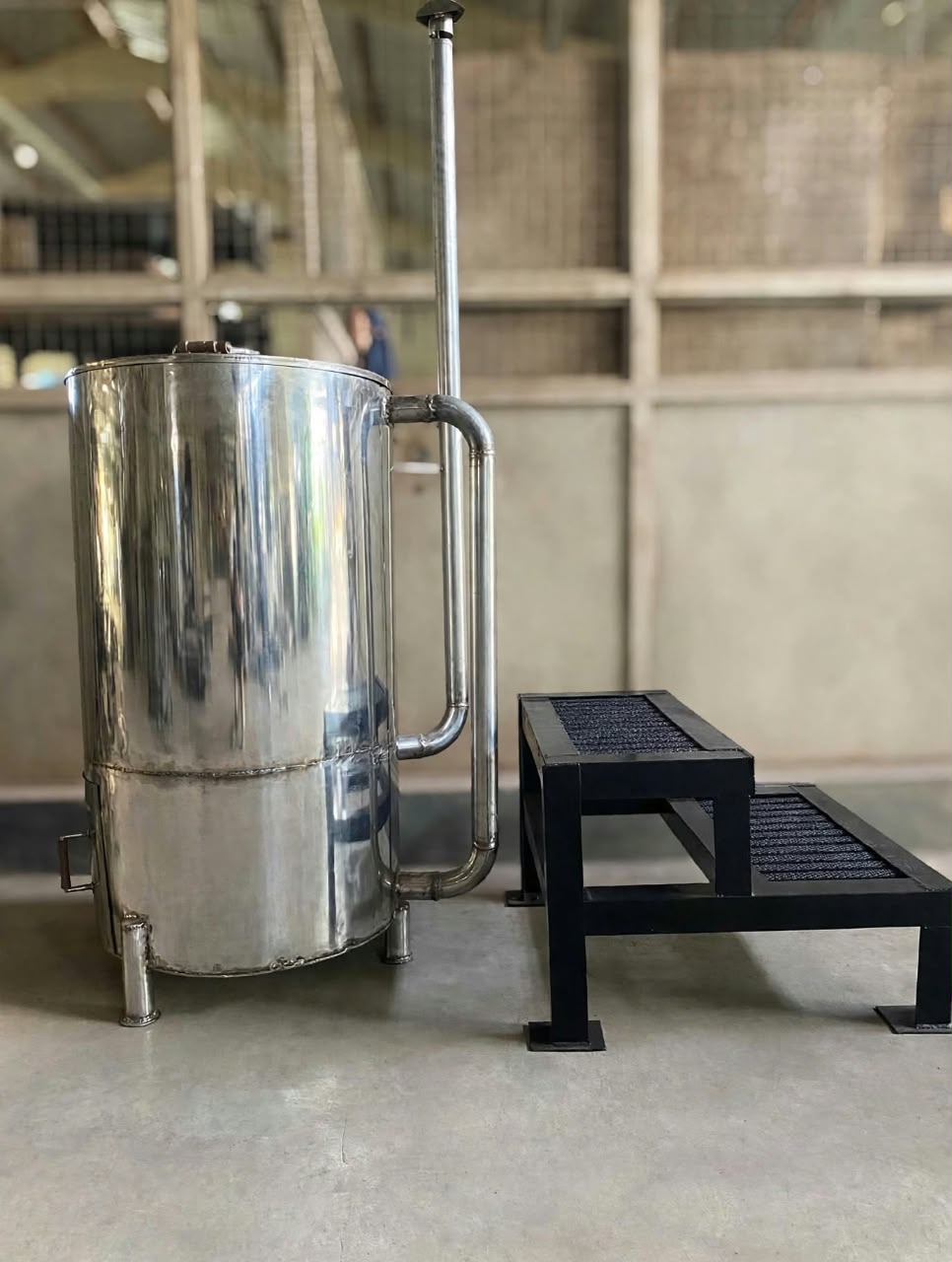
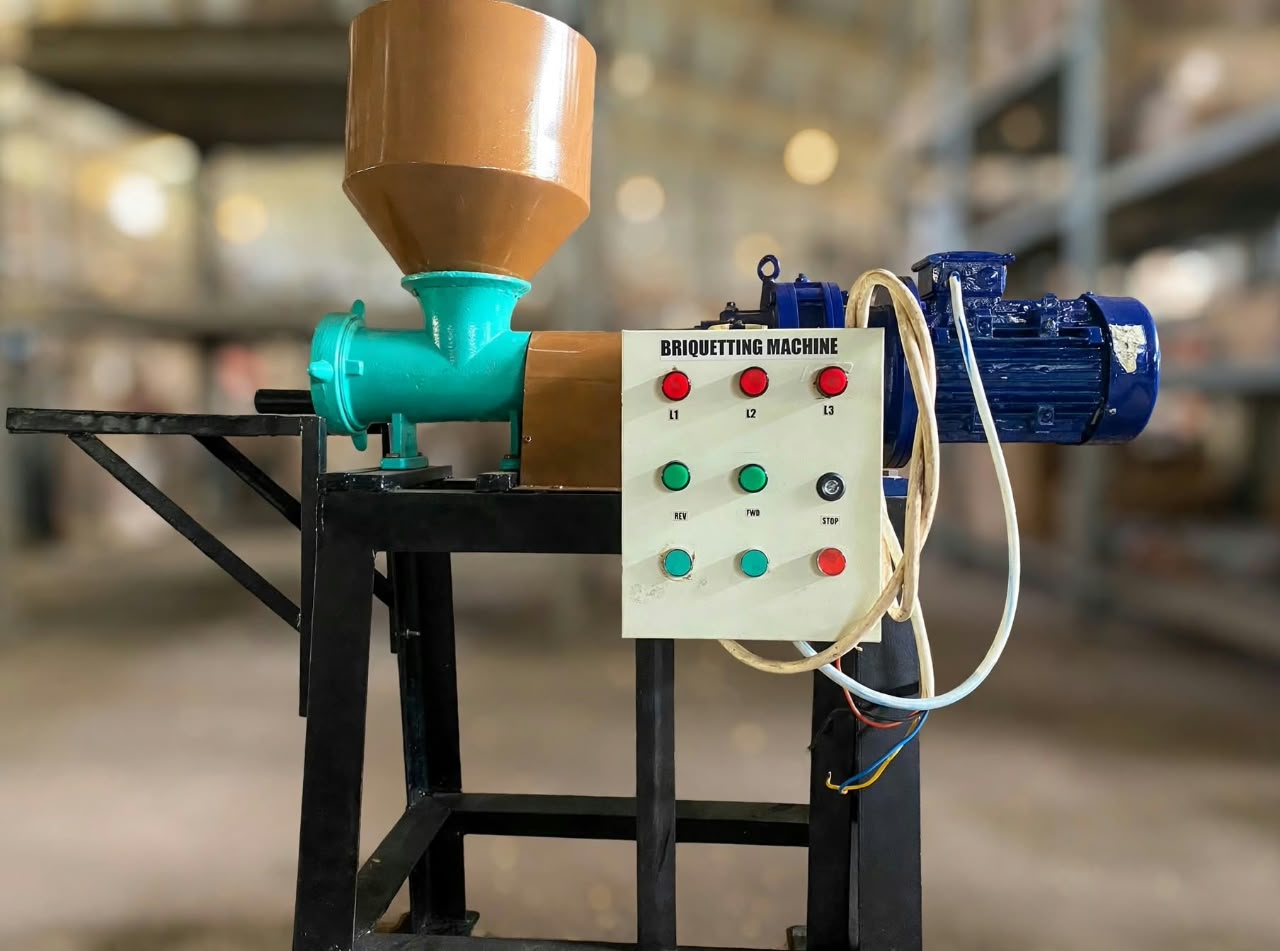
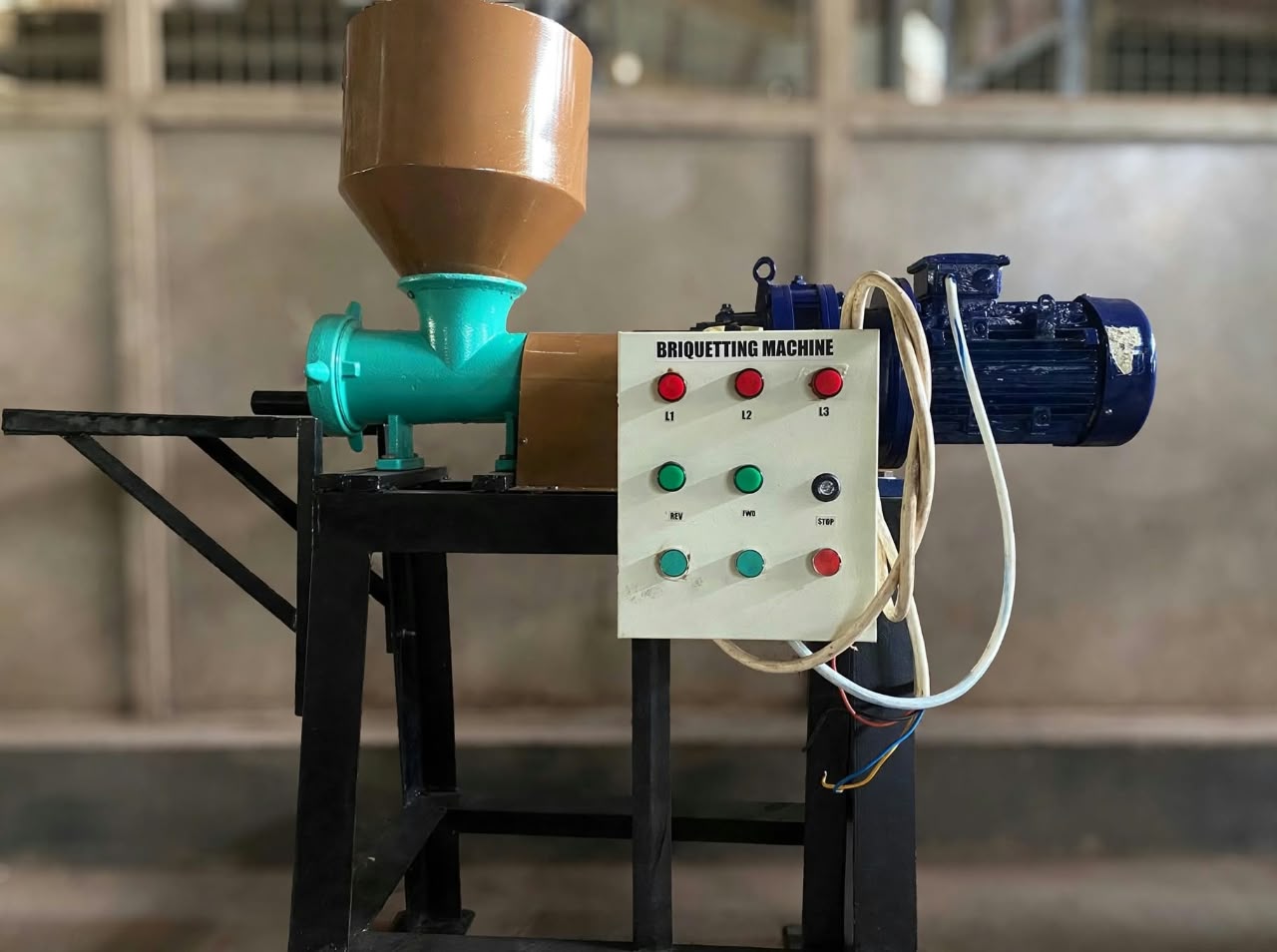
SEDI Enugu has successfully engineered a high-efficiency Briquette Making Machine system, featuring an advanced carbonizer designed to convert agricultural by-products specifically rice husk, into high-density, smokeless briquettes.
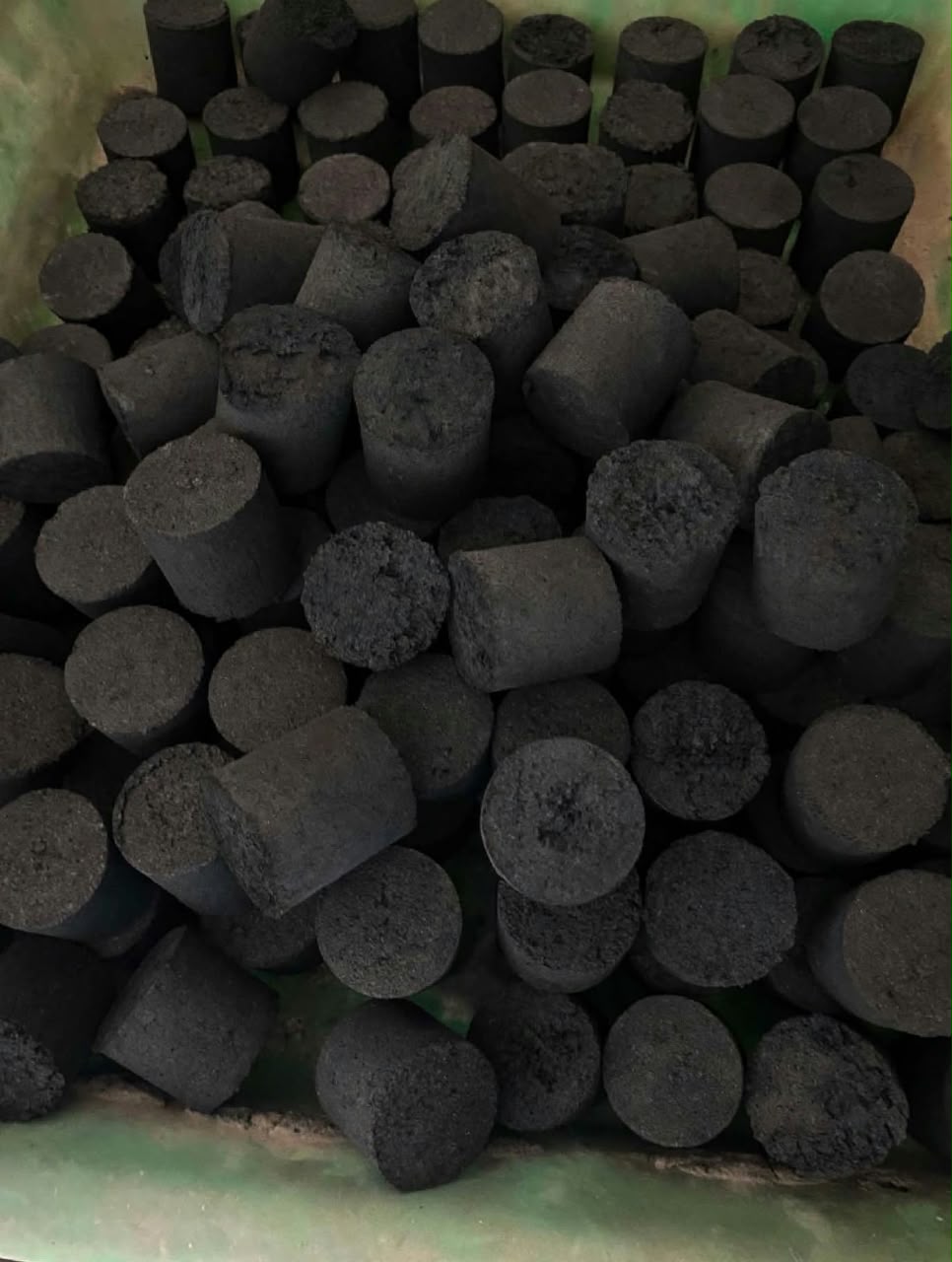
The process begins in the carbonizer, where raw rice husks, sawdust or coconut shells undergo controlled pyrolytic carbonization. This step transforms bulky, low-density biomass into carbonized charcoal dust, eliminating smoke-producing compounds while preserving energy potential. The resulting carbonized material is then blended with a natural binder and compacted under high pressure in the briquetting machine.
Outcome, dense uniformly shaped
carbonized briquettes, a clean, powerful, and eco-friendly alternative to traditional fuelwood and charcoal.
The impact is multi-fold:
- Environmental Protection: By offering a viable alternative to timber-based charcoal, the briquettes help curb deforestation and reduce indoor air pollution in households and cottage industries.
- Waste-to-Wealth: Farmers and millers can now monetize rice husk waste, creating localized micro-enterprises and green jobs.
- Energy Security: The innovation delivers a reliable, low-cost heating fuel tailored for domestic cooking with NASENI energy efficient stoves and small-scale industrial thermal applications.
Under NASENI’s overarching mandate to drive homegrown industrialization, SEDI Enugu’s briquetting technology demonstrates how targeted engineering can turn everyday agricultural waste into green energy, powering local economies while safeguarding the environment for generations to come.