At a time when environmental sustainability and industrial innovation are becoming critical pillars of national development,
the Scientific Equipment Development Institute (SEDI), Enugu; a development institute under the National Agency for Science and
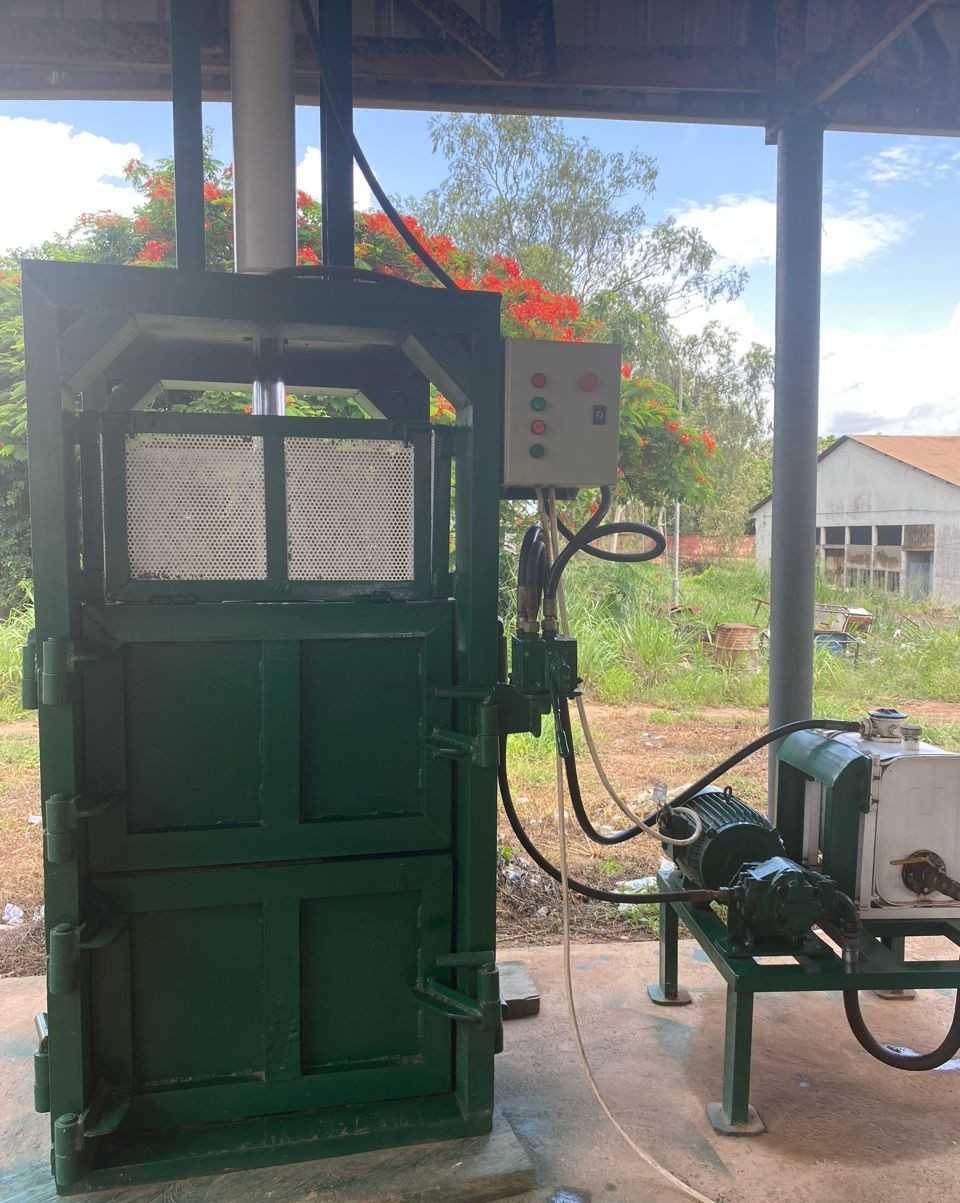
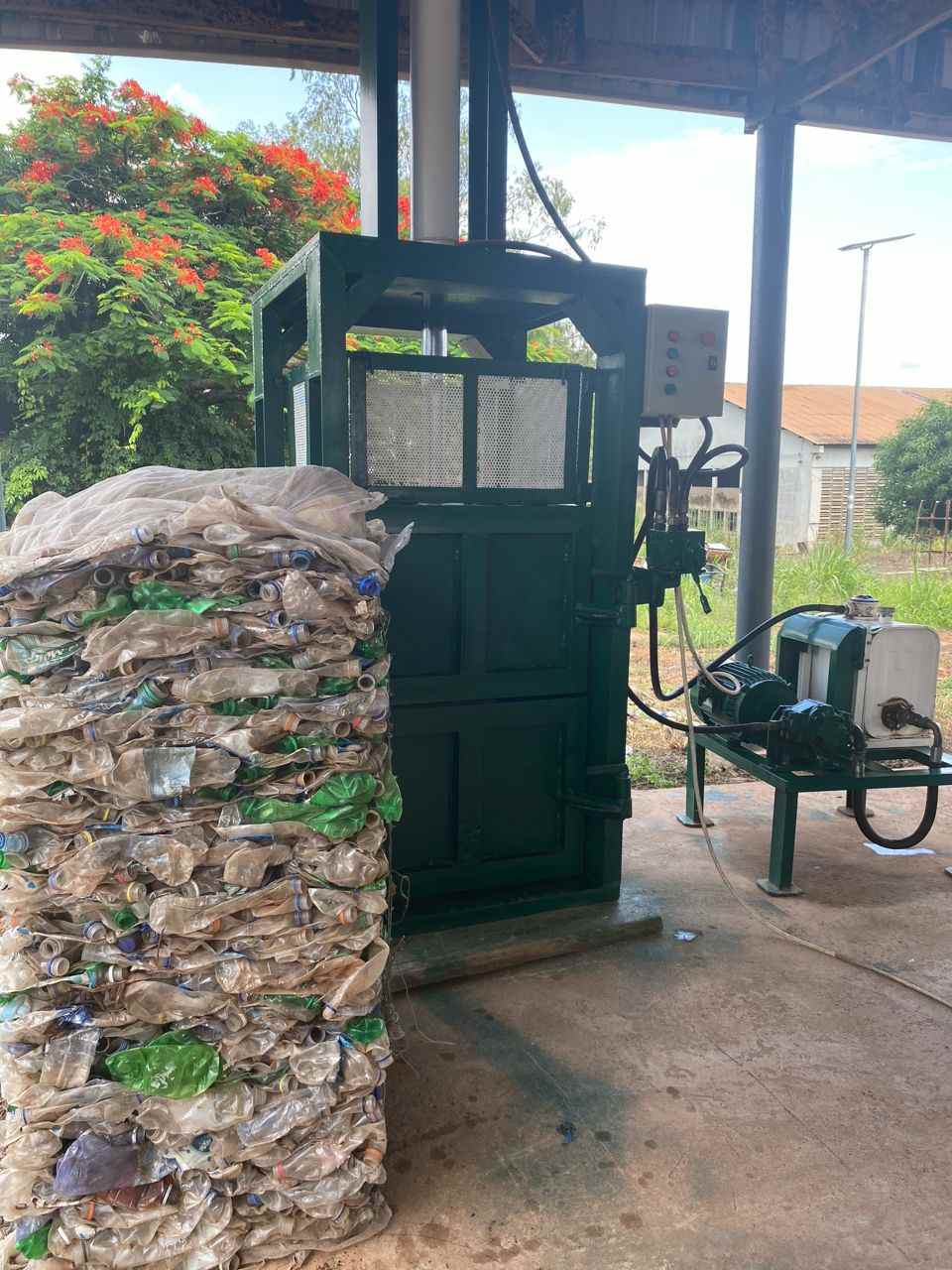
Engineering Infrastructure, is making remarkable strides with the development of its locally engineered Baling Machine. Designed
and fabricated by indigenous engineers and researchers at Scientific Equipment Development Institute, the machine represents a
practical response to the growing challenge of waste management in Nigeria while also supporting the nation’s drive toward industrial
self-reliance.
The equipment is specifically developed to compress recyclable materials such as plastics, paper, cartons, textile waste,
and agricultural residues into compact, manageable bales for easy transportation, storage, and recycling. The innovation comes at a
time when industries and urban centres across the country are grappling with increasing waste generation and limited recycling
infrastructure.
By reducing the volume of waste materials, the SEDI Bailing Machine not only helps to improve environmental sanitation
but also creates economic opportunities for waste collectors, recycling companies, and small-scale entrepreneurs. One of the most
impressive aspects of the machine is its local content value. Built using locally sourced materials and technical expertise, the
machine demonstrates NASENI’s commitment to promoting home-grown technology solutions capable of competing with imported alternatives.
The project also aligns with the Federal Government’s agenda on technology transfer, youth empowerment, and sustainable industrialisation.
Beyond its environmental benefits, the machine is expected to contribute significantly to the circular economy by encouraging organized
recycling systems and reducing operational costs in waste handling. Its rugged design, efficiency, and ease of operation make it suitable
for municipalities, recycling plants, manufacturing industries, markets, and institutions seeking affordable waste management solutions.
Engineers at SEDI Enugu noted that the machine was developed with adaptability in mind, allowing for future upgrades and customization
based on industrial needs. This flexibility positions the innovation as a scalable solution capable of supporting Nigeria’s growing
recycling ecosystem.
The success of the Baling Machine further reinforces NASENI’s vision of leveraging science, technology, and engineering to solve real societal problems. It also highlights the vital role of development institutes such as SEDI Enugu in driving innovation, supporting local manufacturing, and fostering sustainable economic growth. As Nigeria continues to seek solutions to environmental challenges and industrial dependence, innovations like the SEDI Bailing Machine stand as strong evidence that local ingenuity can power national transformation